



About Enamel
Tooth Enamel: The layer of protection for our teeth
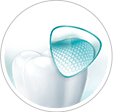
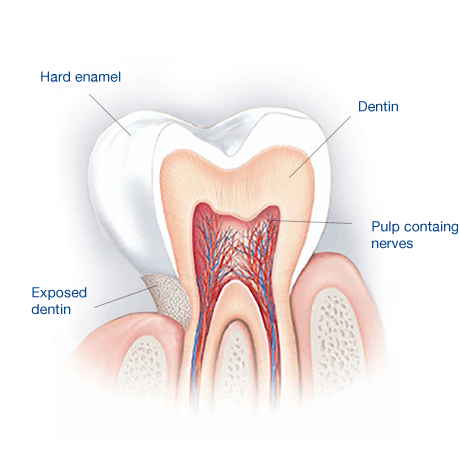
Tooth enamel is the hard, visible, outermost covering of your teeth. Enamel is translucent, giving teeth their sparkle, and depending on its thickness, it shows through the colour of the underlying dentine which varies from light yellow to a grey or blue-like white. It’s the hardest substance in the human body and contains a high percentage of minerals.
Can tooth enamel be restored?
Even though enamel is a strong substance, once enamel erodes or gets damaged, it cannot be regenerated—so it’s important to protect it. Knowing how to protect and preserve your tooth enamel from erosion and decay begins with a basic understanding of what enamel is, how it gets damaged, and the steps you can take on a daily basis to protect it.
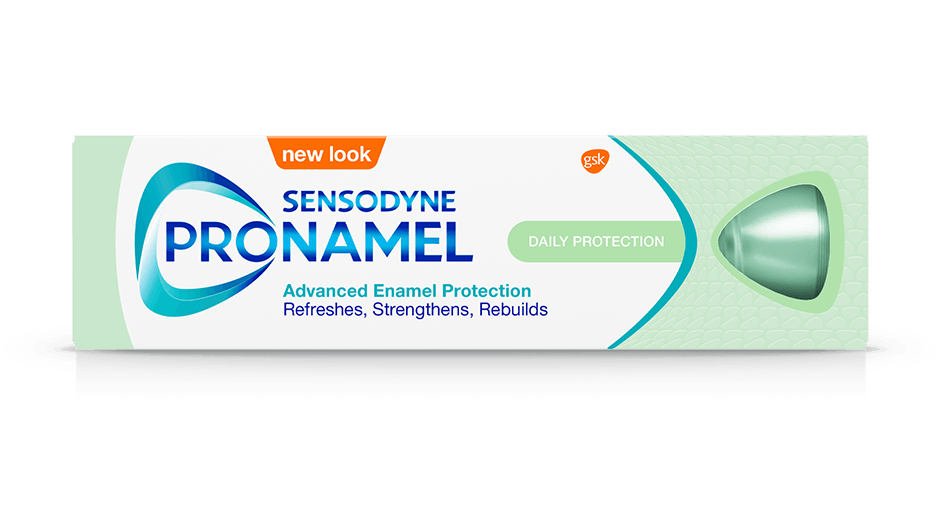
Pronamel is specially formulated to protect against the effects of acid erosion
It also maintains healthy teeth and gums, provides cavity protection and leaves your mouth feeling fresh and clean.